

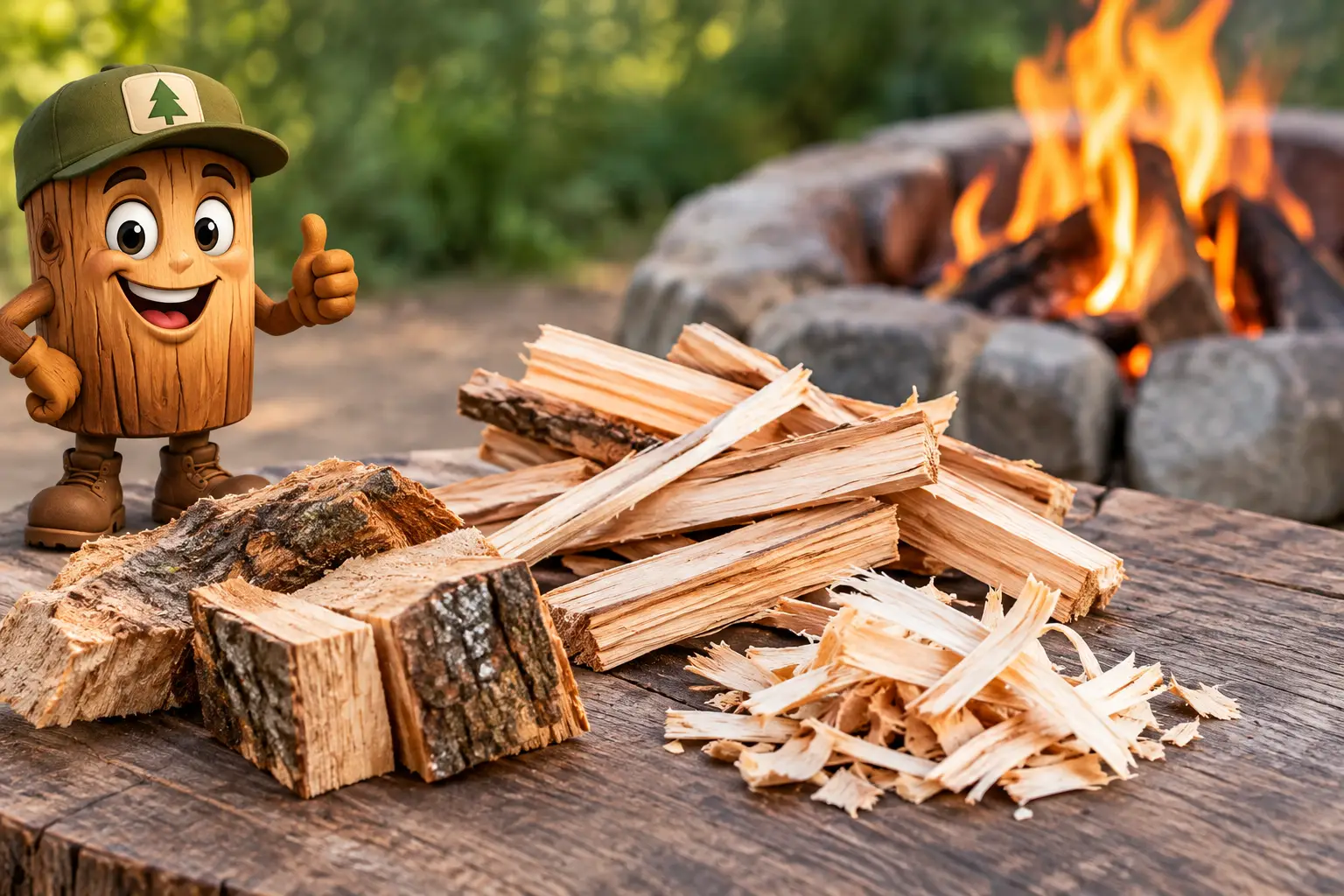
Recycled Wood Firestarter Guide for Faster Fires

A cold fire pit, a packed charcoal chimney, and a stack of logs should not require a pile of newspaper, a cloud of smoke, and three tries with a lighter. This recycled wood firestarter guide is for anyone who wants to get the flame going, get the heat moving, and get back to the good part: dinner on the grill, stories around the fire, or a quiet night by the fireplace.
Recycled stump wood changes the starting point. The roots and base of a tree grow dense, hard, and gnarly as they anchor it in the ground. When that wood is reclaimed and prepared as a firestarter, it offers a natural way to build a reliable flame without coating your hands in residue or reaching for paper and chemical starters.
What Makes Recycled Stump Wood Different?
Not all wood catches and burns the same way. Small, dry sticks can ignite quickly, but they often burn through before larger logs have a real chance to catch. Paper can flare up fast, then collapse into ash. That leaves you rebuilding the fire when you should be relaxing.
Recycled stump wood is dense wood fiber from material that would otherwise be discarded. Its irregular, chunky structure gives the flame more places to take hold, while the density helps it burn with steady heat. That combination matters when you are trying to bridge the gap between a match flame and a full wood fire or bed of glowing charcoal.
The goal is not a giant flash of flame. The goal is dependable heat that lasts long enough to light what comes next. For a fireplace, that means your kindling and split logs. For a fire pit, it means a stable base that can handle the open air. For charcoal, it means an even start without lighter fluid flavoring your food.
A quality recycled wood firestarter should be made from 100% natural wood fiber, with no chemical additives. It should also be dry and easy to handle. If a starter leaves sticky pitch, a strong odor, or black residue on your hands before it is even lit, it is adding hassle to a job that should be simple.
How to Use a Recycled Wood Firestarter
The best setup depends on what you are lighting, but the process stays straightforward: give the firestarter airflow, place the fuel above or around it, and light it with a match. Do not bury the starter so tightly that the flame cannot breathe.
For Fireplaces and Wood Stoves
Open the damper fully before lighting anything. Place one or two recycled wood firestarter chunks on the grate or firebox floor, leaving a little space between them. Arrange dry kindling loosely over the chunks, then add two or three small split logs in a crisscross pattern.
Light the exposed edge of the wood starter with a match. Once the kindling is burning well, add larger logs gradually. Packing the firebox too full at the beginning is one of the most common reasons a fire sputters out. A little room lets heat rise and oxygen circulate.
For wood stoves, follow the stove manufacturer's instructions for airflow settings. The starter gets the fire moving, but your stove's draft and wood moisture level still control how well the fire develops.
For Fire Pits and Campfires
Start on a clear, stable fire surface. Keep your fire pit away from structures, dry brush, low branches, and anything that can catch. Set recycled wood starter chunks in the center, then build a loose teepee or log-cabin shape with dry kindling and small pieces of firewood.
Light the chunks, step back, and let the first flames build. Resist the urge to keep rearranging the pile every few seconds. Moving wood too soon can knock down the little pockets of heat that are doing the work. Add larger logs after the first layer is burning with confidence.
Wind changes the equation. On breezy days, use the fire pit's windward side to shield the starter while keeping enough open space for airflow. A windbreak can help, but never use an enclosed setup that traps smoke or creates a fire hazard.
For Charcoal Grills and Chimneys
Put a recycled wood firestarter on the charcoal grate below your chimney, then fill the chimney with charcoal. Light the starter through the bottom openings. The flame and heat rise through the chimney, bringing the coals up evenly from the bottom.
For a charcoal grill without a chimney, nestle one or two starter chunks beneath a small mound of charcoal. Leave gaps between briquettes or lump charcoal so heat can move upward. When the coals begin to ash over, spread them into the cooking arrangement you need.
Skip lighter fluid. It can create a harsh smell, make lighting unpredictable, and leave you waiting for the fumes to burn off before cooking. A natural wood starter and a chimney give you a cleaner, more controlled path to hot coals.
A Better Fire Starts With Dry Fuel
Even the best firestarter cannot rescue soaked wood. If your logs hiss, steam, or struggle to stay lit after the starter has built a strong flame, moisture is usually the problem. Firewood should be properly seasoned and stored off the ground, with protection from rain and enough airflow to keep it dry.
The same goes for charcoal. Keep bags closed and dry, especially in garages, sheds, RV storage compartments, and campsites. Damp charcoal is harder to light and can burn unevenly.
It also pays to keep your firestarter dry. Store it in a sealed tote, a covered bin near the hearth, or a weather-protected camp box. That way, when friends show up or the temperature drops, you are ready to light the fire instead of hunting for usable supplies.
Common Fire-Starting Mistakes to Skip
More starter is not always better. One or two pieces are often enough for a normal fireplace fire, fire pit, or charcoal chimney. Use more only when you are building a larger fire, working with extra-dense fuel, or dealing with cold, damp conditions.
Another mistake is stacking fuel too tightly. Fire needs heat, fuel, and oxygen. Most people remember the first two and forget the third. Build loose layers, leave channels for air, and let the initial flame establish itself before adding heavy logs.
Finally, do not use gasoline, solvents, or other accelerants to force a fire to start. They are dangerous, unpredictable, and completely unnecessary when you begin with dry material and a dependable natural firestarter.
Recycled Wood Firestarter Guide: What to Look For
When choosing a firestarter, look past the package and think about where you will use it. A fireplace owner may want clean handling and no paper ash across the hearth. A camper may care most about compact storage and one-match lighting. A griller wants fast charcoal without chemical fumes around the food.
The right product should serve all of those moments without asking you to learn a new trick. StumpChunks uses recycled tree stumps to create all-natural wood firestarter chunks that burn hot and long enough to get wood or charcoal moving. Put a chunk in place, strike a match, and let the fire do its job.
There is still a little judgment involved. Very large fires need more fuel and careful building. Wet weather calls for extra attention to dry kindling and sheltered placement. Local fire restrictions always come first, especially during dry seasons. But for ordinary backyard fires, grill nights, fireplace evenings, and campsite meals, the routine can stay easy.
Keep dry fuel on hand. Build with breathing room. Light the starter, then give it a minute before you fuss with it. Soon enough, you can put your feet up, open a beverage, and enjoy the fire you came for.


Comments