


Does Root Wood Burn Longer? Here’s Why It Can

A fire that catches fast but fizzles out is no victory. When you are standing at the fire pit with friends arriving, or trying to get a charcoal chimney rolling before dinner, you need a starter that brings real heat and stays with the job. So, does root wood burn longer? Often, yes - especially compared with light, loose kindling or paper. Its dense, gnarly wood fiber can create a hotter, more sustained flame when it is dry and properly prepared.
That does not mean every piece of wood pulled from the ground burns forever. Wood species, moisture, piece size, and airflow all matter. But root wood has a physical advantage that makes it a hardworking choice for getting fireplaces, campfires, wood stoves, and charcoal going without the usual pile of paper and frustration.
Does Root Wood Burn Longer Than Regular Kindling?
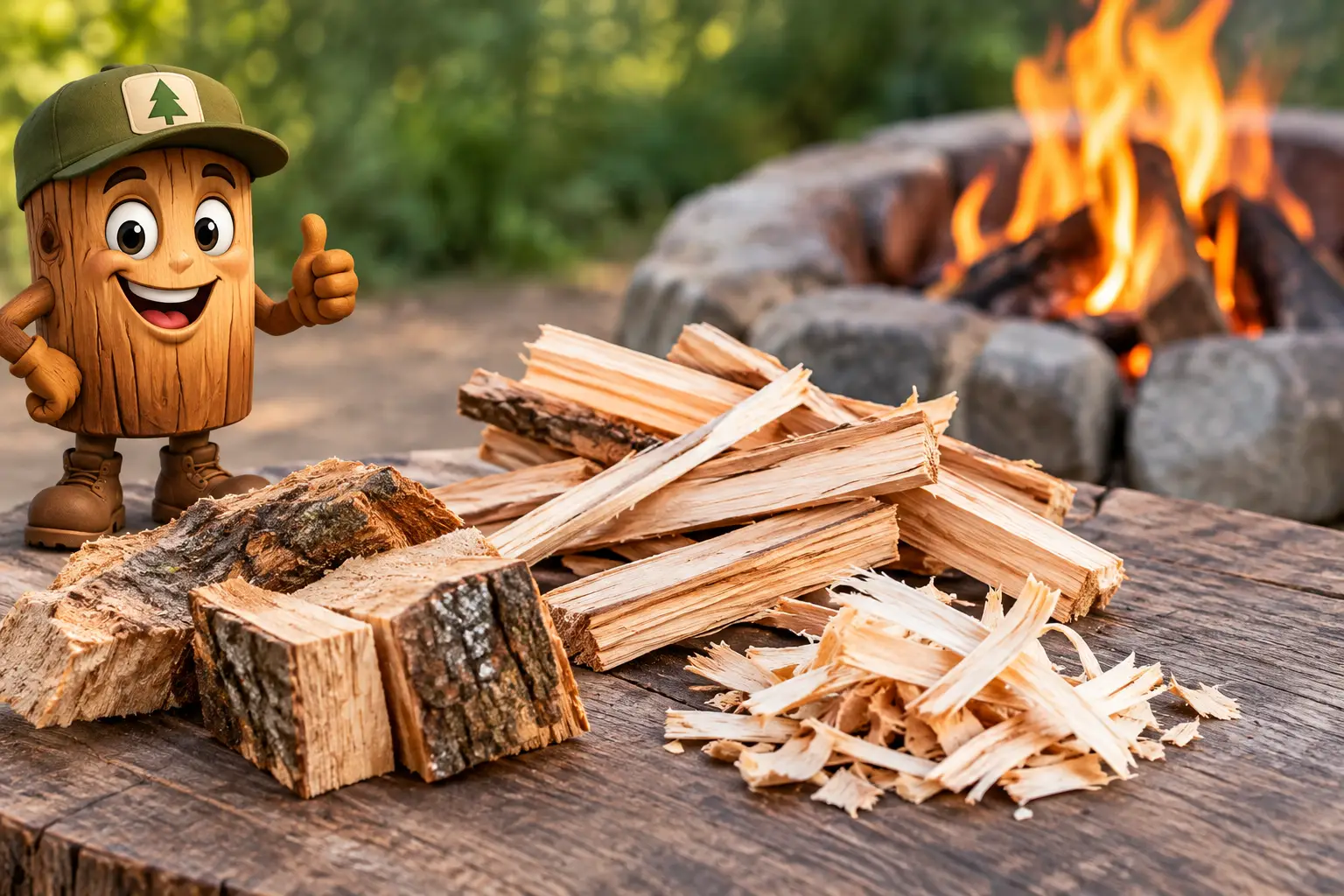
Root wood can burn longer than many common forms of kindling because it is often denser and more tightly packed than small twigs, bark, or split softwood scraps. A denser piece of wood generally contains more fuel in the same-sized chunk. Once it catches, it has more material to burn through, which can mean a longer-lasting flame and a stronger bed of heat.
Think about the difference between a thin cardboard strip and a hardwood chunk. The cardboard flashes up quickly and disappears. The chunk takes more heat to get going, but it has staying power. Root wood sits closer to that second category when it has been dried and cut for fire starting.
This is why the best root-based fire starters are not just wood tossed in a bag. The material needs to be processed into pieces that expose enough fiber to accept a match while keeping enough density to burn with purpose. You want quick ignition and a flame that hangs around long enough to light the larger fuel above it.
Density gives the flame more to work with
Dense wood burns differently from flimsy kindling. It does not automatically burn faster simply because it is heavy. With the right airflow, the compact fibers feed a steady flame instead of collapsing into ash right away. That sustained heat is what helps dry out and ignite your logs, briquettes, or lump charcoal.
The payoff is practical. You spend less time rebuilding a failed fire and less time feeding it newspaper, napkins, or another armful of sticks. Put the starter where the flame can rise into your fuel, light it, and let heat do its job.
Root structure can be naturally gnarly
Roots grow under pressure. They twist through soil, wrap around rocks, and form tight, irregular grain. That tough structure is part of what makes stump and root material useful for fire starting. It is not delicate, straight-grained lumber. It is rugged fiber made to support a tree.
When that material is recycled from stumps and prepared correctly, it becomes a smart use of wood that might otherwise be left behind. You get a natural fire starter with a real wood flame - not a chemical-smelling cube or a wad of printed paper.
The Catch: Moisture Can Beat Any Good Wood
Here is the part many fire builders learn the hard way: wet wood is wet wood. Even dense root wood will struggle if it is green, rain-soaked, or stored directly on damp ground. Before wood can burn well, the fire must first drive out its water. That steals heat from the flame and leads to sputtering, smoke, and a whole lot of waiting around.
Dryness is the difference between a dependable starter and a frustrating one. Properly dried root wood lights more readily, burns cleaner, and gives the flame a fair chance to catch the fuel you actually want to burn. If your firewood is damp, even a great starter may need more time and better airflow before the larger pieces take over.
Keep your fire-starting material dry. A covered bin, tote, or shelf in the garage works well. At camp, seal it in a weather-resistant container rather than leaving it under the picnic table overnight. A little preparation means you are still just a match away from a fire when the weather turns.
Why Longer Burn Time Matters at the Start
A fire starter does not need to replace your firewood. Its job is to bridge the gap between a single match and a fully established fire. That bridge is where longer-burning root wood earns its keep.
Paper burns in a hurry and can send ash flying. Small dry twigs may catch but vanish before a larger log warms up. Lighter fluid can create a burst of flame, but it brings odor, mess, and a taste nobody wants near dinner. A natural, dense wood starter offers a more useful kind of heat: enough flame, for enough time, to get the next layer burning.
For a fireplace or fire pit, place a few pieces beneath dry kindling and small split wood, leaving room for air to move. Light the starter, then resist the urge to smother it by piling on heavy logs too soon. Let that first flame build.
For charcoal, nestle the starter under or among the coals where oxygen can reach it. Once the charcoal begins to ash over around the edges, you are on your way to steady cooking heat. No crumpled paper. No fuel bottle. No standing over the grill wondering whether you need to start again.
Root Wood Is Not a Shortcut Around Good Fire Setup
Longer-burning material helps, but it cannot fix a bad fire layout. A fire needs three things: dry fuel, oxygen, and a dependable heat source. Take away airflow by packing everything tightly, and the flame will struggle. Use oversized, damp logs, and the starter may burn out before they are ready to catch.
Give the flame a path upward. For a wood fire, arrange the smallest dry pieces closest to the starter, then step up gradually to larger wood. For charcoal, avoid burying the starter under a solid, airless mound. The goal is simple: let the flame breathe and let the heat touch more fuel.
Wind also changes the game. A gentle breeze can help a fire establish. Strong wind can blow heat away, scatter sparks, and make a grill or fire pit unpredictable. Use your fire pit, fireplace, grill, or approved campfire ring as intended, and keep water or an extinguisher nearby.
A Better Way to Start the Fire
When people ask whether root wood burns longer, what they usually mean is, “Will this make fire starting easier?” The answer is yes when the material is dry, dense, and made for the job. It gives you a more reliable flame than paper and more staying power than weak, scattered kindling.
That is the idea behind StumpChunks: recycled stump wood prepared to light with a match and get your fire moving fast. It is all wood fiber, with no chemical additives, so it belongs just as naturally beside the fireplace as it does under a charcoal chimney before a backyard cookout.
The next time you build a fire, do not measure success by the first flash of flame. Measure it by what happens a minute later. If your starter is still putting out useful heat and your fuel is catching, you can put your feet up, open a beverage, and enjoy the part of the fire you actually came for.


Comments